Radiator thermostatic valve: A key device for improving indoor temperature control
February 05, 2026
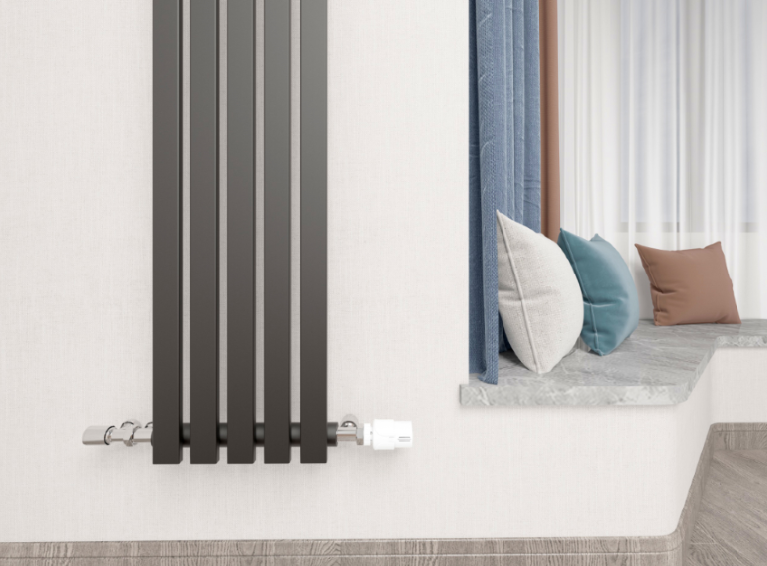
As one of the key pieces of equipment for winter heating, radiators play a vital role in enhancing indoor warmth and comfort. However, traditional radiators often struggle to achieve precise temperature control, leading to indoor temperatures that are either too high or too low, causing inconvenience and discomfort for users. To address this issue, radiator thermostatic valves have emerged as an effective solution. So, what exactly is the function of a radiator thermostatic valve? Primarily, it acts as an automatic regulator, achieving precise indoor temperature adjustment by controlling the heat output from the radiator. It automatically modulates the flow of heating water in response to changes in room temperature, balancing the radiator's heat output with the heat loss from the room. This maintains a constant, comfortable indoor temperature. Typically installed on the inlet pipe of the radiator, its compact design allows straightforward fitting at the radiator connection point without extensive system modifications. Linked to temperature sensors and a control unit, it continuously monitors room temperature and automatically adjusts the valve opening to regulate radiator output according to preset requirements. Operation is remarkably straightforward. Users simply set their desired room temperature, and the valve automatically adjusts accordingly. When the room temperature reaches the set point, the valve gradually reduces the flow of heating water, lowering the radiator's heat output. Conversely, when the room temperature falls below the set point, the valve increases the heating water flow to enhance the radiator's heat output. This ensures the indoor temperature remains within the user's preferred comfort range. It is worth noting that modern radiator thermostatic valves typically incorporate intelligent technology, offering additional smart features. For instance, some valves support time-based control, allowing users to pre-set temperature requirements for different time periods, enabling the heating system to operate automatically according to these preset conditions and improving thermal energy efficiency. Furthermore, certain valves support remote control, permitting users to adjust the indoor temperature anytime, anywhere via a mobile app or smart home platform, facilitating more convenient operation and management. In summary, radiator thermostatic valves constitute a vital component of winter heating systems, functioning to maintain stable indoor temperatures through precise regulation of radiator heat output. Installed on the inlet pipe of a radiator, these valves automatically monitor and adjust room temperatures by integrating with temperature sensors and control units. Users need only set their desired temperature value, after which the thermostatic valve intelligently regulates the heating water flow to maintain a comfortable indoor climate. With advancements in smart technology, these valves now incorporate additional intelligent features such as timed control and remote operation, delivering greater convenience and comfort in heating management. For users, installing radiator thermostatic valves not only enhances the temperature control performance of the heating system but also improves heating efficiency, reduces energy consumption, and creates a more comfortable living environment. For engineers, mastering the principles and application of radiator thermostatic valves enables more effective technical support for users, resolving temperature control challenges within heating systems. With ongoing technological advancement and innovation, future radiator thermostatic valves are expected to feature enhanced functionality and performance improvements, delivering increasingly intelligent and convenient heating experiences. As engineers, we must keep pace with the times, continuously learning and researching new technologies. While delivering high-quality heating services to users, we should also drive the development and progress of the heating industry. Let us collectively anticipate the greater role radiator thermostatic valves will play in future advancements!