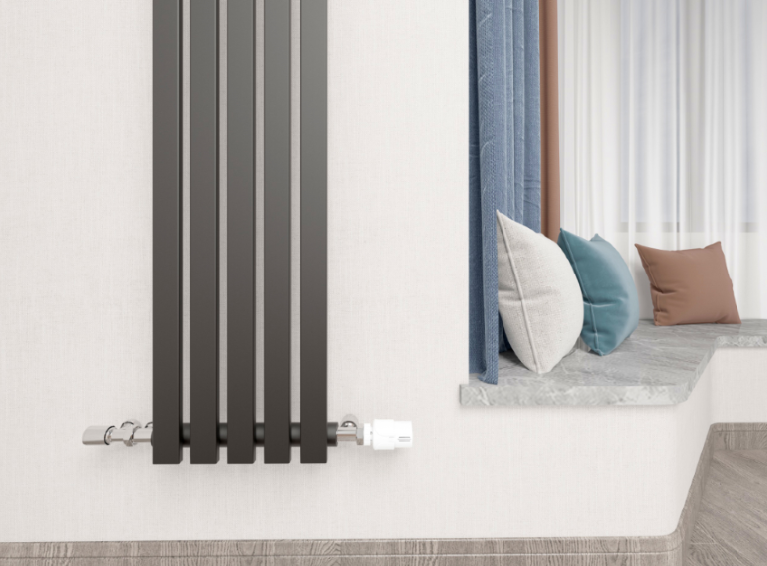
The Importance of Radiator Valves
January 19, 2026
Radiator valves are devices that regulate the temperature of central heating systems by controlling the flow of hot water into the radiator pipes. This achieves temperature control, as increased water flow raises the temperature while reduced flow lowers it. When load variations occur, adjusting the valve opening modulates the flow to counteract fluctuations in demand, restoring the temperature to the setpoint. Operating without external energy input, these proportional control valves represent an economical and energy-efficient solution. As thermostatic valves allow free adjustment of hot water flow, users can close the valve on radiators in unoccupied rooms for long periods, enabling room-by-room regulation. By setting desired temperatures via the valve, consistent room warmth is maintained while enhancing thermal comfort and achieving energy savings. Generally, fitting radiators with thermostatic valves can reduce household energy consumption by 10–20%. For privately heated homes in particular, thermostatic valves are of paramount importance.