Underfloor Heating Basics: Know These to Avoid Getting Ripped Off!
May 22, 2026
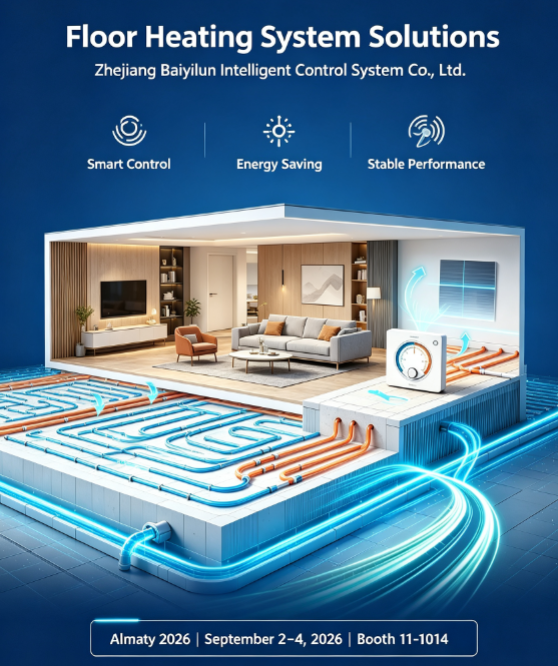
There are generally two types of heat sources for underfloor heating systems: hydronic and electric. Hydronic systems transfer heat through circulating water; their advantages include stability, comfort, and relatively low operating costs. Electric systems, on the other hand, generate heat directly through electric heating films or heating cables; they are easier to install but have slightly higher operating costs. Schematic Diagram of Underfloor Heating Operation An underfloor heating system is divided into four subsystems:
1. “Heat Source System” The heat source system is the heart of the underfloor heating system, generating thermal energy through equipment such as boilers or heat pumps. This thermal energy acts as the lifeblood, continuously powering the underfloor heating system. The stability and efficiency of the heat source system directly impact the heating performance and operating costs of the system.
2. “Control System”
The control system acts as the “brain” of the underfloor heating system, precisely regulating heat output. Through devices such as smart thermostats, the control system automatically adjusts the heating temperature based on indoor-outdoor temperature differences and user preferences, achieving a perfect balance between energy efficiency and comfort. In this era of smart technology, the control system makes underfloor heating more user-friendly and convenient.
3. “Piping System” The piping system serves as the circulatory system of the underfloor heating, delivering thermal energy to every corner of the room. It requires meticulous design to ensure even heat distribution and prevent localized overheating or underheating. High-quality piping materials and scientific installation techniques are key to the efficient operation of the piping system.
4. “Insulation System” The insulation layer acts as the underfloor heating system’s guardian, effectively reducing heat loss. Comprising insulation materials and reflective films, this system is tightly fitted beneath the floor to form a robust thermal barrier. It is precisely thanks to the protection provided by the insulation system that underfloor heating can continue to keep us warm throughout the cold winter months.