Carbon fiber floor heating offers excellent energy-saving benefits
August 03, 2026
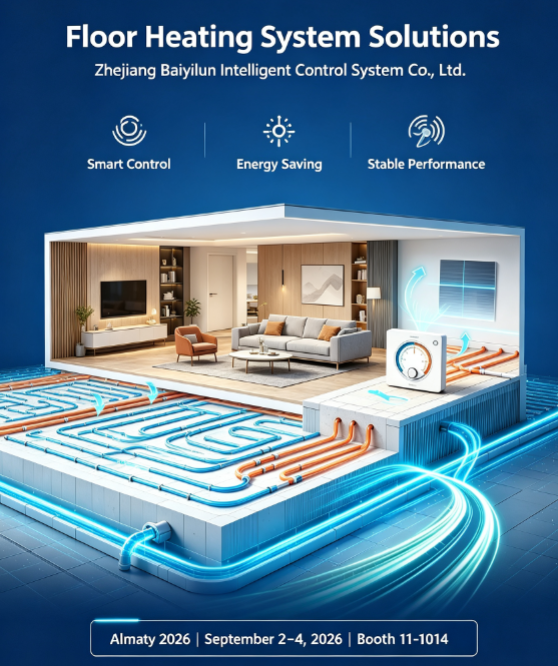
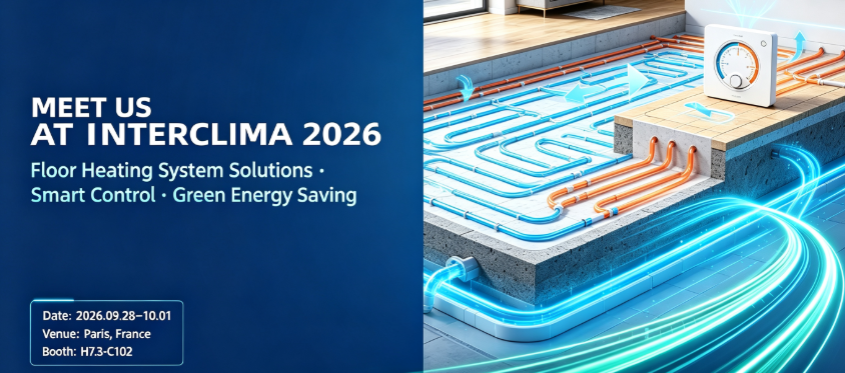
A carbon fiber floor heating system is an electrically powered heating system in which heating elements and cables are embedded beneath the floor according to specifications. It converts all electrical energy directly into thermal energy to heat the floor and provide warmth; it is commonly referred to as low-temperature radiant heating. The economic efficiency, safety, and comfort of electric underfloor heating were confirmed by scientists as early as the 1990s, and it is currently recognized by the global HVAC engineering community as one of the most ideal, advanced, environmentally friendly, and energy-efficient heating methods. For example, YouNuan Underfloor Heating uses imported continuous-filament carbon fiber as a carrier to release energy through far-infrared rays while simultaneously emitting negative ions. Far-infrared waves measuring 8–14 micrometers—medically referred to as “life waves”—not only promote blood circulation, boost immunity, improve sleep quality, and relieve pain, but the negative ions they release can also effectively reduce formaldehyde and benzene levels by more than 60%, allowing you to breathe fresh oxygen without leaving home! Enjoy therapeutic benefits right at home! The centralized control system for carbon fiber underfloor heating features energy efficiency, environmental friendliness, comfort, convenient management, network-based control, minimal space requirements, and a long service life. As living standards in China continue to rise, this emerging heating method is gradually becoming a part of people’s daily lives. Currently, many provinces (cities, and districts) across the country are promoting and implementing electric floor heating systems. Taking Beijing as an example, in 2006 the city specifically issued the “Interim Measures for Subsidies for Individual Clean Energy Heating in Beijing Residential Homes” to encourage residents to use clean energy as the heat source for their heating systems.