Once the heating season begins, taking care of these areas can make your home feel much warmer
May 14, 2026
In cities with centralized heating, a small number have already started heating, while most have not yet begun. Once all cities switch to centralized heating, the radiators at home will either fail to warm the entire room, or some will be scalding hot while others remain so cold they’ll freeze your feet.
1. Air Vents
Whether your home uses radiators or underfloor heating, during the annual pre-heating season system testing phase, a technician will visit your home to inspect the system and bleed the radiators. This ensures your home will be warm once the central heating system is turned on. However, due to the nature of the heating system, it’s not enough to simply have the technician bleed the radiators during their visit and then forget about it. When the heating first starts, if you hear the sound of water flowing through the radiators, it usually means there is air in the pipes. You’ll need to open the bleed valves yourself to release the air from the system. If the air isn’t removed, water flow will be restricted, affecting the heating efficiency and preventing the radiators from getting warm. Therefore, be sure to check the bleed valves regularly during the heating season—don’t wait until you’re freezing to remember to do so.
2.Filter
Whether you have underfloor heating or radiators, a small filter is installed in the piping system primarily to trap impurities. During the initial phase of the heating season—especially for the first week or so—there is a particularly high concentration of impurities in the system. As the system operates normally, these impurities tend to accumulate inside the filter. If the filter is not removed and cleaned, water flow through the pipes will be restricted, which will in turn affect the heating temperature. Therefore, at the very start of the heating season, the filter should be cleaned to remove rust, silt, and other debris before being reinstalled. It’s important to note that there is often more than one filter; in a typical home heating system, these are commonly installed in the pipe shaft. Some are also installed on the supply side of the manifold and on the return pipe. After the heating season begins, you should also clean the filters regularly to ensure that hot water can flow into your home normally, so that your home stays warm.
3. Thermostatic Valves
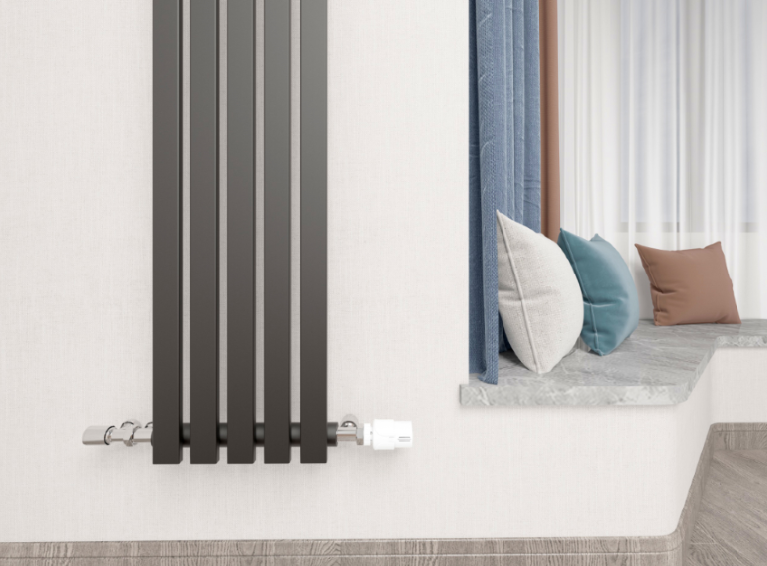
Early, older-style radiators did not have thermostatic valves; they only had bleed valves, so there was no way to adjust the temperature. Later, manufacturers introduced thermostatic valves, which allow users to adjust the water temperature for each radiator or underfloor heating loop. Some people never pay attention to these valves; they simply assume that if the heating temperature in their home isn’t up to standard, it’s the heating company’s problem, and they never look for the cause within their own home. When a heating technician visits and discovers that the temperature is insufficient simply because the thermostatic valve wasn’t open—restricting water flow—it’s both frustrating and amusing. So, if you notice that a particular radiator isn’t heating properly, in addition to opening the bleed valve to release air, be sure to check whether the thermostatic valve is open. Don’t blame others for this oversight; otherwise, you’ll end up making a fool of yourself.